
Students completing Class 12 often face a difficult choice between pursuing a traditional degree or opting for a career-focused program that leads to employment sooner. For those interested in the medical field but not necessarily planning to become doctors, healthcare diploma courses provide practical training that can open doors to a wide range of healthcare careers.
Healthcare is one of India's fastest-growing sectors, driven by expanding hospitals, diagnostic centres, rehabilitation facilities, home healthcare services, and specialized clinics. This growth has created a steady demand for skilled professionals who support patient care, diagnostics, administration, and clinical operations.
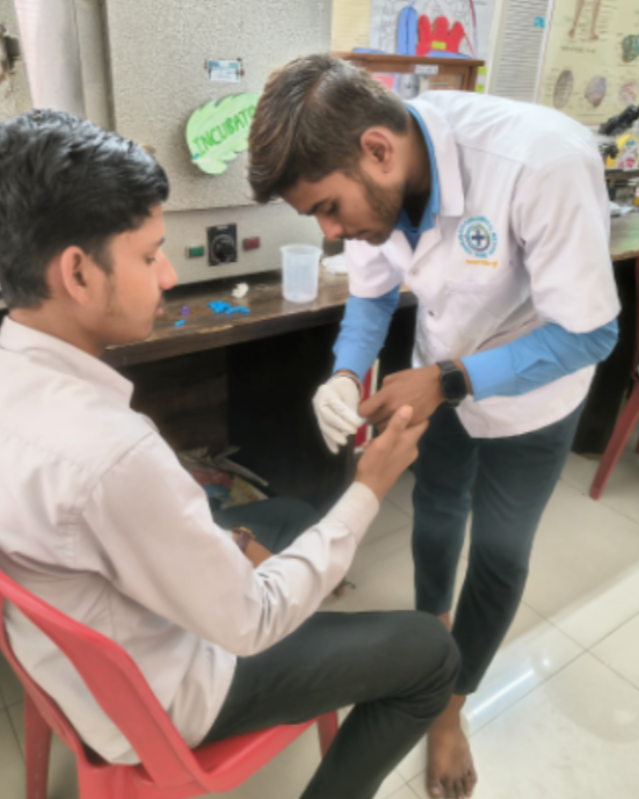
Unlike many academic programs that focus primarily on theoretical knowledge, healthcare diploma courses emphasize practical learning. Students spend considerable time in laboratories, simulation environments, and clinical settings where they develop job-ready skills under professional supervision.
Depending on the specialization, students may study subjects such as:
- Human anatomy and physiology
- Medical terminology
- Infection prevention and control
- Patient care techniques
- Medical ethics
- Diagnostic procedures
- Emergency response
- Healthcare communication
- Record management
One advantage of healthcare diploma programs is the variety of career options they offer. Graduates may find opportunities in hospitals, nursing homes, pathology laboratories, diagnostic imaging centres, blood banks, rehabilitation centres, emergency care facilities, and public health organizations.
Some diploma holders later continue their education through advanced certifications or degree programs while gaining valuable work experience. This combination of education and practical exposure often strengthens long-term career prospects.
Students should carefully evaluate a course before enrolling. Important factors include curriculum quality, laboratory infrastructure, clinical training, faculty expertise, industry exposure, and placement support. A well-designed program prepares learners not only for examinations but also for the expectations of healthcare employers.
Healthcare careers also demand qualities that extend beyond technical knowledge. Compassion, communication, attention to detail, teamwork, professionalism, and the ability to remain calm under pressure are equally important. Institutes that encourage the development of these skills help students transition more smoothly into professional environments.
Pune has emerged as one of Maharashtra's leading healthcare and education hubs, with numerous multispecialty hospitals, research institutions, and diagnostic facilities. This ecosystem creates opportunities for trained healthcare professionals across various disciplines and makes vocational healthcare education particularly relevant for students in the region.
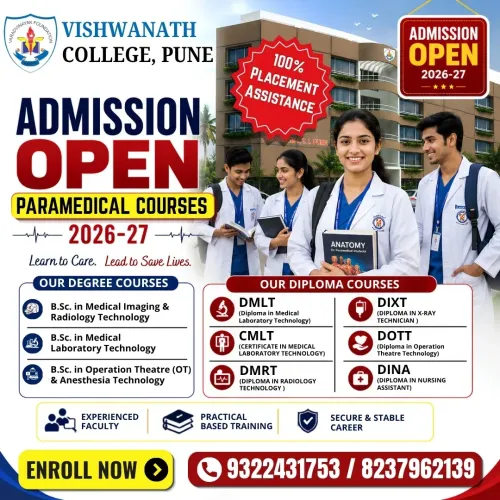
Vishwanath College offers career-oriented healthcare programs that combine academic instruction with practical learning. Such an approach helps students understand real healthcare environments while building confidence before entering the workforce.
Parents often appreciate healthcare diploma courses because they provide structured education with clear career pathways. Students benefit from learning specialized skills that remain relevant across both public and private healthcare sectors.
Choosing the right healthcare diploma course begins with understanding your interests, strengths, and long-term goals. Whether your passion lies in patient care, diagnostics, medical technology, or healthcare support services, vocational education can provide a practical foundation for a stable and meaningful career.