
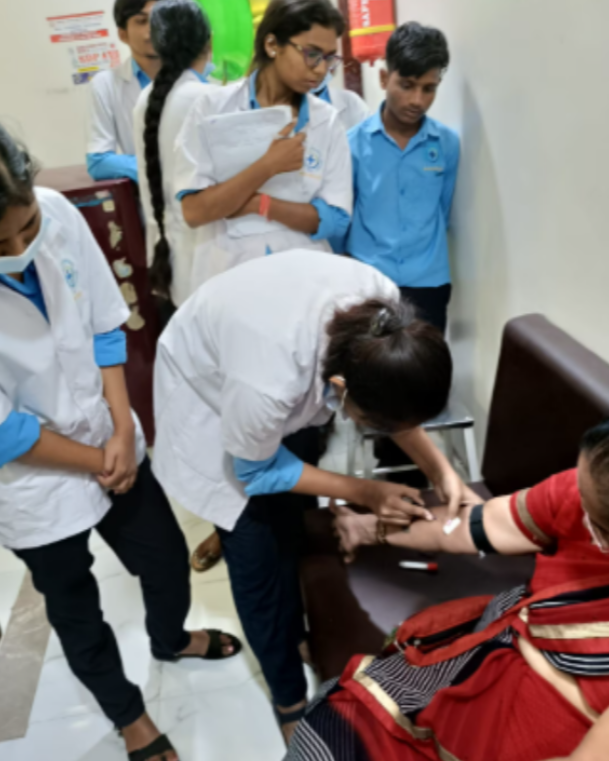
Clinical laboratories play an important supporting role in healthcare by processing and analysing samples used in medical investigations. For students interested in healthcare careers without necessarily following a conventional medical degree pathway, clinical laboratory courses can provide an introduction to laboratory procedures, equipment, sample handling, safety, and diagnostic support.
For students in Pune and other parts of Maharashtra, understanding what laboratory education actually involves is essential before selecting a course.
What Do Clinical Laboratory Courses Teach?
The exact curriculum depends on the qualification and institution, but laboratory-oriented education commonly introduces students to subjects connected with diagnostic testing and laboratory operations.
Learning areas may include:
- Laboratory safety
- Sample collection principles
- Specimen handling
- Basic haematology
- Clinical pathology
- Biochemistry fundamentals
- Microbiology concepts
- Laboratory equipment handling
- Record maintenance
- Infection-control practices
Students should check the actual syllabus of the programme they are considering rather than assuming every laboratory course covers the same subjects.
Why Sample Handling Matters
A laboratory result depends partly on how correctly a specimen is collected, labelled, stored, transported, and processed.
Students therefore need to understand pre-analytical procedures as well as testing techniques.
Mistakes in identification or handling can affect the reliability of laboratory processes. This is why disciplined procedures and accurate record keeping are important parts of laboratory training.
Learning to Work with Laboratory Equipment
Modern diagnostic environments use different instruments depending on the tests performed.
Training can introduce students to the principles behind equipment operation, routine handling, cleanliness, basic maintenance awareness, and safe working procedures.
The goal is not simply to recognise equipment. Students need to understand why particular procedures are followed and how careful operation contributes to reliable laboratory work.
Safety Is a Core Laboratory Skill
Laboratory environments may involve biological samples, chemicals, glassware, sharps, and specialised equipment.
Students should learn safe practices from the beginning.
Important habits include:
- Wearing appropriate protective equipment
- Following hygiene procedures
- Handling samples carefully
- Disposing of biomedical waste correctly
- Maintaining clean work areas
- Avoiding cross-contamination
- Following established laboratory protocols
These habits are relevant throughout a laboratory professional's working life.
Accuracy Requires More Than Technical Knowledge
Laboratory work demands attention to detail.
A student may understand the theory behind a test but still need to develop consistency, concentration, documentation skills, and procedural discipline.
Small details matter when dealing with labels, measurements, records, reagents, and test processes.
For this reason, practical sessions can be particularly valuable in clinical laboratory education.
Who May Consider This Career Path?
Laboratory education can appeal to students who are comfortable working in structured environments and have an interest in science and healthcare.
It may suit learners who appreciate:
- Detail-oriented work
- Scientific procedures
- Technical equipment
- Healthcare environments
- Documentation
- Accuracy
- Process-based responsibilities
Eligibility varies by programme, so students completing 10th, 12th, diploma, or other qualifications should confirm admission requirements for the specific course.
Where Can Laboratory Skills Be Used?
Depending on the student's recognised qualification, applicable requirements, experience, and employer criteria, laboratory-related skills may be relevant to environments such as diagnostic centres, hospitals, pathology laboratories, healthcare facilities, research support environments, and other laboratory settings.
Job titles and eligibility requirements vary significantly. Students should avoid assuming that completing any short course automatically qualifies them for every laboratory position.
Studying Laboratory Technology in Pune
Pune has a substantial education and healthcare ecosystem serving students from the city and different regions of Maharashtra.
For a student considering laboratory training locally, convenience is only one factor.
A useful programme should be evaluated for:
- Curriculum relevance
- Practical laboratory exposure
- Equipment access
- Faculty support
- Safety training
- Assessment methods
- Career guidance
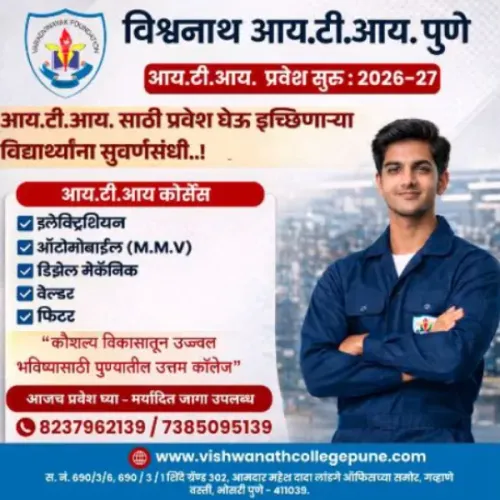
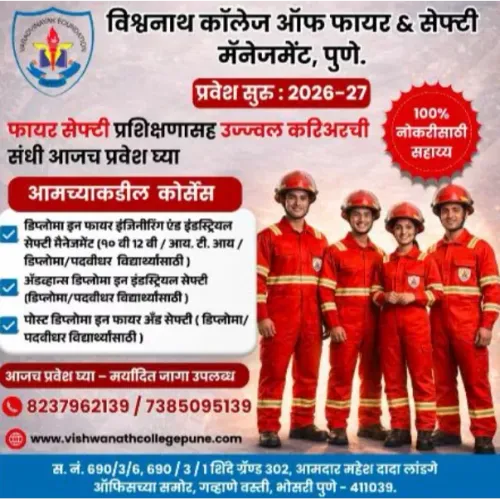
Vishwanath College provides vocational and career-oriented education in Pune, including pathways relevant to students exploring healthcare skills. Prospective learners should review the current programme details and eligibility criteria before making an admission decision.
What Should Students Check Before Enrolling?
Ask to see the syllabus and understand how theory and practical sessions are balanced.
Find out whether students receive supervised laboratory practice. Ask what equipment is used during training and how safety procedures are taught.
It is also worth understanding the qualification awarded, its intended career pathway, course duration, assessment process, and any requirements that may apply to specific healthcare roles.
Clinical laboratory education is most useful when students understand that diagnostic work depends on accuracy, safety, discipline, and responsible handling of information and specimens. Choosing training that develops these habits alongside technical knowledge can create a stronger foundation for further study and laboratory-related career opportunities.